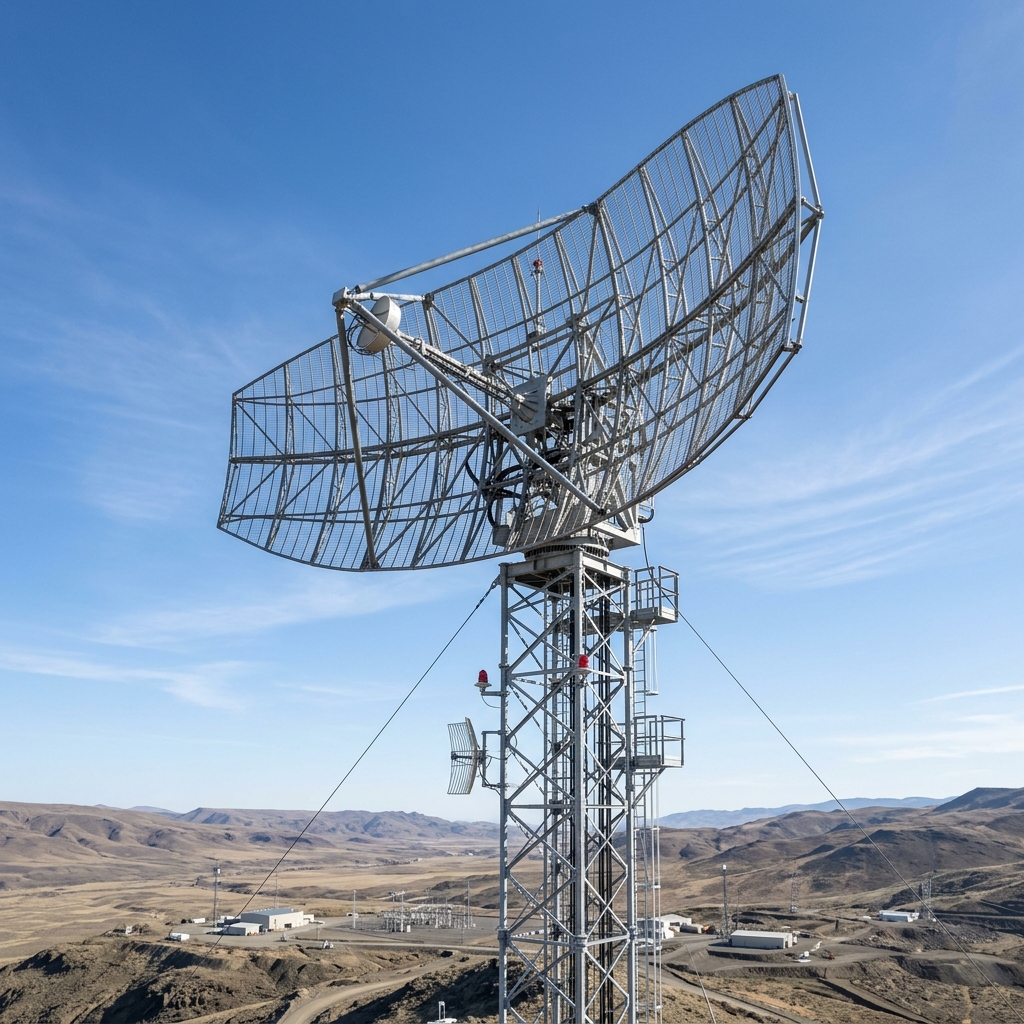
Grid Reflector Antennas
Curved wire-mesh dish structures delivering very high gain and a narrow beamwidth. Extremely low wind load, ideal for long-distance point-to-point fixed backhaul.
View range →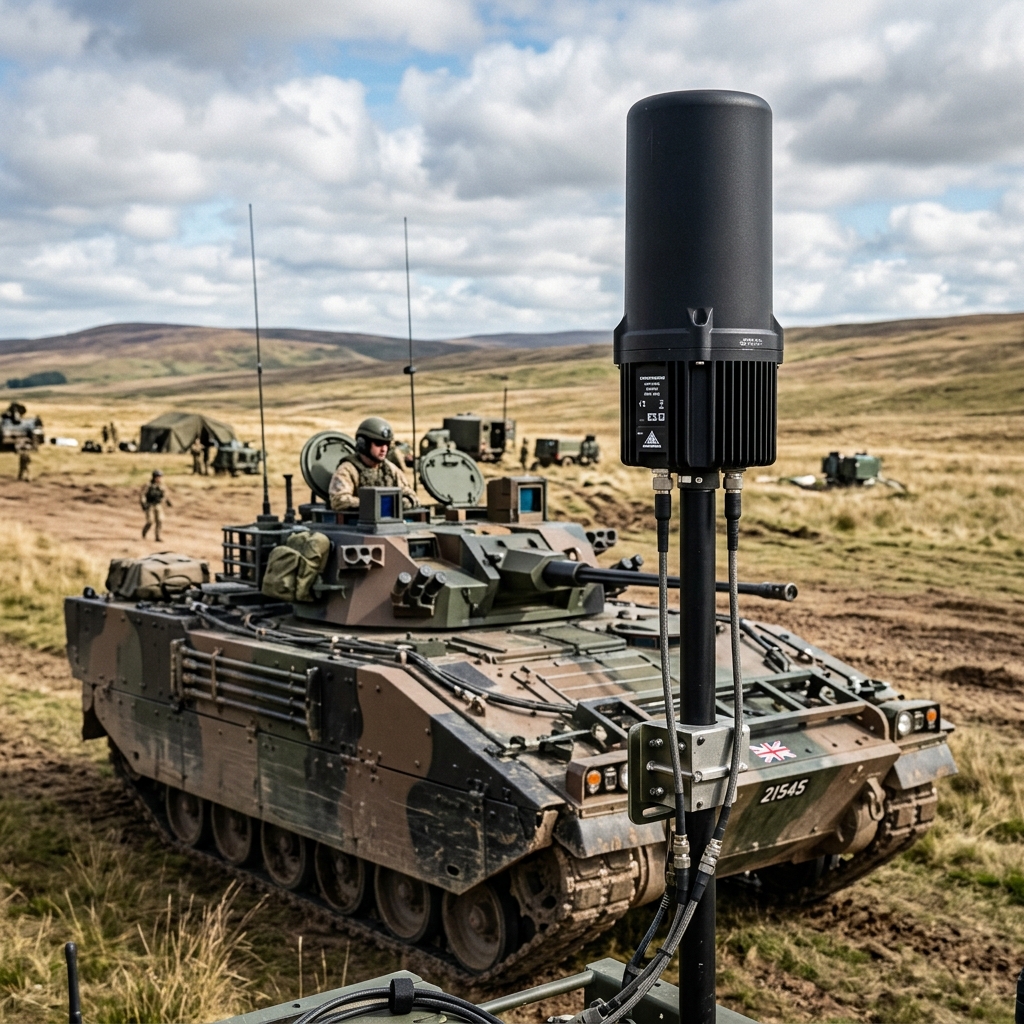
Omnidirectional Antennas
Stable 360° coverage in the horizontal azimuth plane. Ground-plane independent designs, small and lightweight for UAV payloads and distributed mobile links.
View range →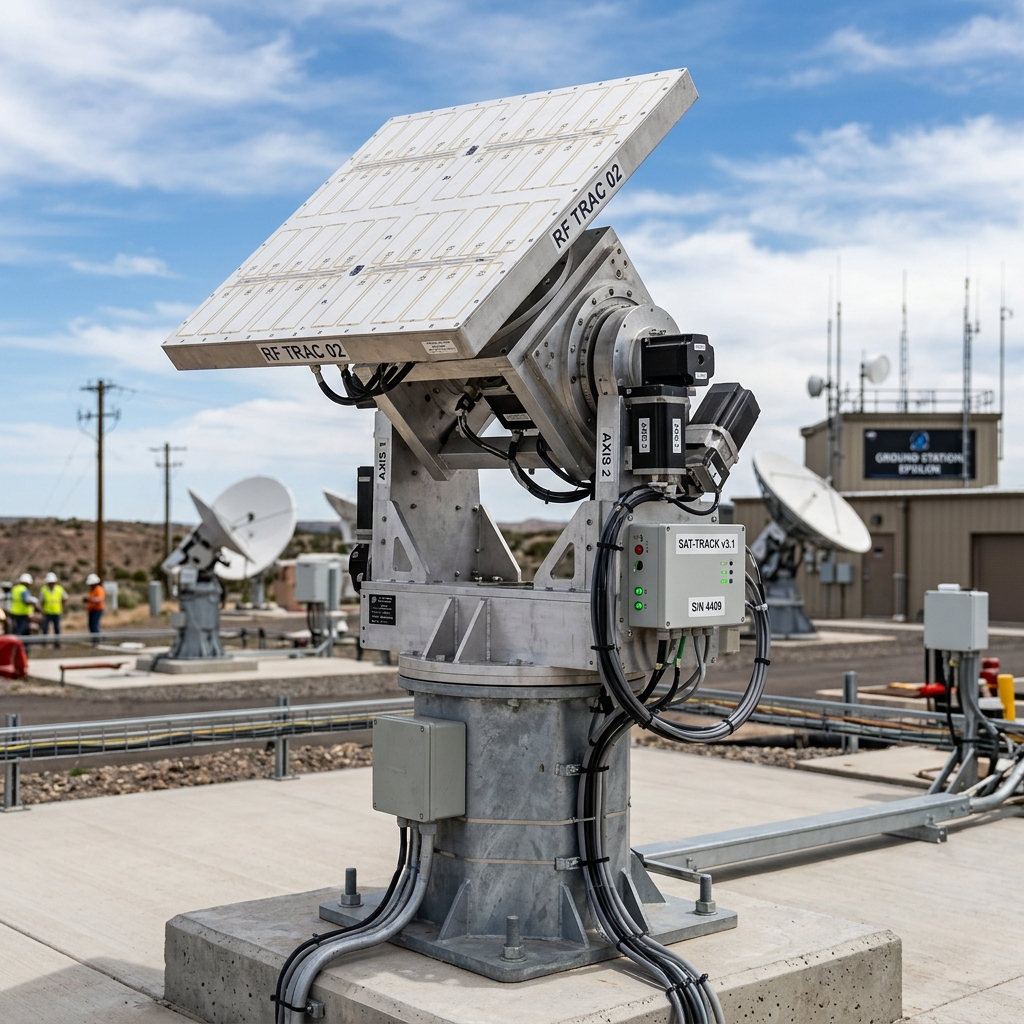
Directional / Panel Antennas
Flat, low-profile designs that focus signal into a directed beam. Offers excellent front-to-back ratios and interference rejection. The choice for ground tracking stations.
View range →
Sector Antennas
Wide-horizontal beamwidth sector coverage (60° - 90°) with high port-to-port isolation. Optimized for dense 4x4 MIMO telecom backhaul installations.
View range →
Blade & Conformal Antennas
Low-aerodynamic-drag, flush-mounted conformal and blade structures. Tailored dynamically to match specific aircraft and UAV airframe surface curves.
View range →
High-Power Microwave Antenna
Gigawatt-class pulsed power handling. Specifically built with vacuum containment and arc prevention insulation for strategic directed-energy defences.
View range →Glossary of Key Technical Terms
| Gain (dBi) | Measures how strongly the antenna concentrates RF power in a specific direction relative to an isotropic radiator (radiating equally in all directions). High gain = narrower beamwidth = longer reach. |
| Beamwidth | The angular width of the main radiation lobe where signal strength drops by 3 dB from its peak. Represents the coverage "cone" width. |
| Omni vs Directional | Omnidirectional antennas distribute signal uniformly across 360° horizontally, ideal for mobile targets. Directional antennas focus signal in one primary vector to maximize range between fixed links. |
| VSWR | Voltage Standing Wave Ratio. Measures impedance matching between the RF transmission line and the antenna. A VSWR of 1:1 represents perfect transmission; PhaseAmp designs guarantee VSWR ≤2:1. |
| Polarization | The spatial orientation of the electric field component of the radio wave. Vertically, horizontally, or circularly polarized. Antennas on both ends of a wireless link must match polarization. |
| IP65 Rating | Ingress Protection code indicating dust-tight sealing and weather resistance against low-pressure water jets, ensuring permanent external operation in harsh climates. |